










10 Best Natural Sun Creams

Ah, summer - the season of ice creams, holidays and basking in the sun. We all get excited when summer finally rolls around, and whether you are jetting off somewhere exotic or intend to enjoy a staycation this year, protecting your skin should be a top priority. Wearing a good quality, natural sun cream acts as a barrier for your skin from the sun’s rays and will ensure that you can enjoy your holiday, that summer BBQ, or just be out and about in the summer months, knowing that you are protected.
In this blog, we’ll explore some of the reasons why it’s important to wear sunscreen and give our top recommendations for the best natural sun cream products to keep you safe in the sun this summer.
Our Top Natural Sun Creams in Our Collection
Shade All Natural Sunscreen SPF25 100ml
With coconut oil, zinc oxide, shea butter and beeswax, this great-smelling, mid-factor sunscreen is a dream to apply with no toxic chemicals. It is anti-inflammatory and prevents premature ageing of the skin.
Sol De Ibiza Natural Mineral Sunscreen Face & Body SPF 30 100g
If you are looking for high-factor natural sunscreen protection, this will not disappoint. Soft and creamy, with a lovely scent, and packed with skin-loving ingredients such as sweet almond and coconut oils, Silica and Aloe vera - and it’s vegan and cruelty-free.
Incognito Mineral Sunscreen Insect Repellent SPF30 100ml
Nothing ruins a holiday quite like getting eaten alive by pesky insects. Keep bugs at bay and protect your skin with this natural, mineral-based sunscreen for all ages.
Sol De Ibiza Lip Balm SPF 15 15ml
Perfect to use come rain or shine, this hydrating lip balm will keep lips feeling nourished and protected.
Badger Tangerine and Vanilla Kids SunscreenSPF30 87ml
With fun, bright packaging, an easy-to-apply formula and a citrus and vanilla scent, getting sun cream on your kids will be a breeze this year.
Organii SPF30 Sun Lotion 100ml
This certified organic SPF 30 mineral sun lotion offers gentle, effective protection for all ages, absorbing quickly for hassle-free sun care. This is also available in an SPF 50 version, too.
Shade All Natural Sunscreen SPF25 100ml
This mineral-based broad spectrum sunscreen is made with just four natural, moisturising, sun-resistant ingredients, offering an effective and gentle option free from harmful chemicals, fragrances, and microplastics.
Badger Active Sunscreen Clear Zinc SPF30 87ml
This active SPF 30 sunscreen offers clean, effective, and water-resistant protection with just five simple organic ingredients, making it suitable even for sensitive skin.
This natural mineral sunscreen took 2.5 years to perfect, has a smooth texture that doesn’t leave white marks, and comes in super eco-friendly, low-plastic packaging.
Debunking Common Sun Cream Myths
When it comes to sun protection, misinformation can lead to painful consequences. At Baldwins, we believe in empowering our customers with accurate knowledge. Let's shed light on some prevalent sun cream and SPF myths:
Myth: You only need SPF on sunny days.
Fact: UV rays penetrate clouds, making sun protection essential even on overcast days.
Myth: Cool temperatures mean you're safe from sun damage.
Fact: Temperature doesn't correlate with UV intensity. Always apply sun cream, regardless of
the weather.
Myth: Darker skin doesn't need sun protection.
Fact: All skin types can suffer sun damage. Everyone should use sunscreen regularly.
Myth: A base tan protects you from burning.
Fact: Any tan is a sign of skin damage. Always use sunscreen, even if you're already tanned.
Myth: It's too late to apply sunscreen after getting burned.
Fact: While prevention is best, applying sunscreen can still protect unburned areas and prevent further damage.
Myth: Aftersun lotions repair sun damage.
Fact: These products soothe and moisturise but can't reverse UV damage. Prevention with sun cream is key.
Myth: The UK sun isn't strong enough to cause harm.
Fact: UV rays can damage skin even in cooler climates. Don't underestimate the British sun!
The Sun's Rays: Why They're Harmful
The sun emits ultraviolet (UV) radiation, damaging skin and increasing skin cancer risk. UVA rays cause premature ageing, while UVB rays lead to sunburn and DNA damage. The good news? Cancer Research UK reports that proper sun safety measures could prevent nearly 90% of melanoma cases.
Key Benefits of Wearing Sun Cream
Cancer Prevention: Significantly reduces the risk of melanoma and other skin cancers.
Anti-Ageing: Protects against premature wrinkles and age spots.
Sunburn Protection: Blocks UVB rays responsible for skin redness and damage.
Even Skin Tone: Prevents sun-induced dark spots and hyperpigmentation.
Skin Health: Maintains skin's elasticity and overall health.
Immune Support: Preserves the skin's local immune function.
Sun Cream Application Guide:
For effective coverage, use:
Face and neck: A coin-sized amount (about 1/2 teaspoon)
Each arm: A strip of sunscreen from wrist to shoulder
Front torso: Enough to cover your palm
Back: Ask for help or use about two palm-fulls
Each leg: Enough to cover your palm
Remember, most people don't apply enough sunscreen, which reduces its effectiveness. It's always better to apply a bit more rather than too little.
Apply natural suncream generously and reapply every two hours or more often if swimming or sweating. This palm method is more intuitive and easier to visualise when applying suncream, ensuring better sun protection.
Tips For Getting Sunscreen on Children
We understand that applying sunscreen to children can be challenging. However, it's crucial for protecting their delicate skin from harmful UV rays. Our natural, child-friendly sunscreens are designed to make this task easier, but we know that sometimes you need more than just a great product. That's why we've compiled these practical tips to help make sunscreen application a smoother, more enjoyable experience for both you and your little ones.
Make it Routine: Apply daily, like brushing teeth.
Choose Child-Friendly Formulas: Opt for gentle, kid-specific sunscreens, like the Badger Sunscreen and The Green People child-friendly suncream in our range.
Apply Before Dressing: Ensure full coverage, including often-missed areas.
Turn it into a Game: Use timers or songs to make it fun.
Educate: Explain why sun protection is important.
Lead by Example: Apply sunscreen on yourself too.
Create a Comfortable Setting: Apply indoors to avoid heat discomfort.
Reapply Regularly: Every two hours and after water activities.
Other Sun Protection Tips When Using Natural Sunscreen
While choosing a high-quality, natural sunscreen can go a long way in keeping your skin safe, it’s also important to follow other sun safety tips such as wearing light, long clothing that covers your skin in particularly hot weather, taking regular breaks from being in the sun, avoiding exposure to the sun at the hottest points in the day, finding shade where possible, keeping hydrated b drinking lots of fresh water, and seeking medical attention if you get any symptoms of sunstroke or severe sunburn.
Protecting your skin from the sun's harmful rays is so important. Now that warmer weather is upon us, make sure you and your family take appropriate precautions and invest in some high-quality, natural sunscreen products today.
FAQs About Sunscreen
How often should you reapply sun cream?
You should reapply sunscreen every two hours or immediately after swimming, sweating, or towel drying. Even if the label says "water-resistant," it's crucial to reapply after these activities to ensure continuous protection.
What’s the best type of cream to use?
The best type of sunscreen to use is broad-spectrum, which protects against both UVA and UVB rays. It should have an SPF of 30 or higher. Depending on your skin type and activity, you might prefer different formulations:
- Lotion: Good for dry skin and everyday use.
- Spray: Convenient for reapplying, especially for hard-to-reach areas.
- Stick: Ideal for small areas like the face and hands.
- Water-resistant: Necessary if you are swimming or sweating.
Do low-factor sun cream do anything?
Yes, low-factor sunscreens (SPF 15 or below) provide some protection against UVB rays, but they are less effective than higher SPF sunscreens. They might be suitable for short periods of sun exposure or for individuals with darker skin tones, but for extended outdoor activities or fair-skinned individuals, a higher SPF is recommended to ensure adequate protection.
Can you use expired sun cream?
It's not recommended to use expired sun cream. The active ingredients in sunscreen can degrade over time, reducing their effectiveness and leaving your skin vulnerable to sun damage. Always check the expiration date on your sunscreen and replace it as needed.
Can sun cream cause skin irritation?
Yes, some people may experience skin irritation from sunscreen, especially if they have sensitive skin or allergies to specific ingredients. If you notice irritation, try a sunscreen formulated for sensitive skin or one that uses mineral blockers like zinc oxide or titanium dioxide, which are less likely to cause reactions. Additionally, do a patch test before full application to check for any adverse reactions.
 Looking for Qualified Advice on Herbs & Supplements?
Read our health guides, quick tips and popular posts on a range of health conditions, products & fitness
Looking for Qualified Advice on Herbs & Supplements?
Read our health guides, quick tips and popular posts on a range of health conditions, products & fitness
 At number 64, our Walworth Road Shops are featured in Time out London’s
100 best shops and we couldn’t be more delighted!
At number 64, our Walworth Road Shops are featured in Time out London’s
100 best shops and we couldn’t be more delighted!
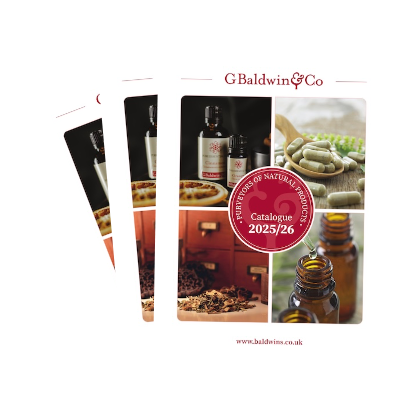 View our Catalogue online.
It is stocked full of our latest oils, beauty products, health foods & gifts.
View our Catalogue online.
It is stocked full of our latest oils, beauty products, health foods & gifts.